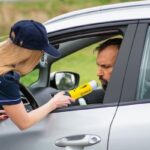

A drink-driving conviction can mean months without a licence. For eligible drivers, however, a drink drive rehabilitation course offers a lawful way to shorten the disqualification. It does not overturn the conviction or remove other penalties. Completing an approved course by a court-set deadline can simply bring forward the ban’s end date.
The important detail is timing: the option normally has to be accepted in court, rather than arranged independently after sentencing. Understanding the eligibility rules, cost and completion process can prevent an expensive misunderstanding.
How the drink drive rehabilitation scheme works
The drink drive rehabilitation scheme is designed to reduce repeat offending by helping convicted drivers understand alcohol-related risks. In Great Britain, courts can offer an approved course to eligible people disqualified for drink-driving offences.
If the driver completes it properly and on time, the ban is usually reduced by one quarter. This is not a way to avoid punishment: fines, the conviction and other consequences remain. Unlike a speed awareness course, this training follows a conviction and disqualification.
Who is eligible for a drink drive course in the UK?
The main requirements are a conviction for a qualifying drink-driving offence and a disqualification lasting at least 12 months. Meeting them does not guarantee a place: the court must offer the scheme at sentencing.
Qualifying offences can include driving with excess alcohol and certain failures to provide a specimen. A conviction solely for drug-driving does not qualify. Drivers banned for less than 12 months cannot obtain a reduction through this scheme.
These arrangements apply in England, Wales and Scotland. Northern Ireland operates a separate court-based course scheme with different administration and charges. Anyone sentenced there should follow Northern Ireland’s official guidance.
Why the sentencing hearing matters
In Great Britain, drivers must decide in court whether to accept an offered course; GOV.UK says they cannot change their minds later. Before sentencing, consider asking a solicitor about eligibility and checking approved local providers.
If a ban has already been imposed without a course offer, privately paying for training will not, by itself, shorten it. The court order determines whether a reduction is available, not an advertisement from a training company.
How much can the ban reduction course save?
The usual reduction is 25% of the original disqualification, subject to the court’s order and successful completion. A 12-month ban could therefore become nine months, saving three. A 24-month ban could become 18 months, saving six.
These are examples, not promises about an individual release date. Check the dates recorded by the court, especially where other restrictions apply. Even after the final course session, it remains unlawful to drive while the disqualification is still in force.
What does a drink drive rehabilitation course cost?
Under the Great Britain scheme, approved providers can charge up to £250. The fee varies; some offer instalments or discounts. Ask about the total cost, payment dates and cancellation terms before booking.
Budget separately for travel, time away from work and any later licensing or medical costs. The course fee is additional to court penalties, and payment alone does not trigger a ban reduction.
When comparing a drink drive course UK provider, check its official approval and course dates. A cheaper option is no bargain if its final session misses your deadline.
What happens during the course?
Approved courses involve 16 hours of teaching, commonly across three days over three weeks. They may be delivered in person or remotely by video, with other drink-driving offenders attending.
Instead of teaching driving manoeuvres, sessions examine how alcohol affects judgement and reaction times, why someone may still be impaired the following morning, the consequences of offending and alternatives such as arranging a lift or taxi before drinking.
The focus is on recognising risky habits and preventing another offence. It is educational training, not a substitute for medical treatment or a guarantee of safer behaviour.
Booking, completing and proving attendance
After someone accepts the offered course, the court sends a referral to the provider. That provider gives available dates and the completion deadline. In Great Britain, drivers can switch providers free of charge before booking by contacting their original provider.
Do not leave arrangements until the last minute. Providers must not book people onto courses ending after the court’s deadline, and they cannot simply extend it. If sessions clash with work, try to resolve the conflict early.
Successful completion requires attendance at every session and payment of the fee. The provider issues a certificate and informs the court and DVLA so the reduction can be processed. Missing sessions or leaving the fee unpaid can mean losing the discount.
Can you drive as soon as you finish?
No. Finishing a course does not immediately restore driving entitlement. Drivers must wait until they are legally entitled to drive and meet the requirements for getting a licence back. Those disqualified for drink-driving must apply for a new licence.
Some are classed as high-risk offenders and must pass a DVLA medical assessment first. This may apply to particular high alcohol readings, refusal to provide a specimen or repeated drink-driving convictions. Course completion does not remove that requirement.
Check your official disqualification date and the process for reapplying well in advance. Guides covering driving ban lengths, drink-driving penalties and getting your driving licence back can explain these separate steps.
Frequently asked questions
Can I book a course without a court offer?
Other private training may be available, but it will not automatically reduce your ban. The statutory reduction depends on a court offer and successful completion of the approved programme.
Is the reduction always three months?
No. The usual discount is one quarter of the original ban. A 12-month disqualification commonly means three months saved, while a longer ban may produce a larger reduction.
Can I complete the course online?
Yes. Approved providers may deliver courses remotely through live video sessions or face-to-face. Confirm the format and attendance requirements before booking.
What happens if I miss the deadline?
Failure to complete the required training in time normally means losing the course-related reduction. Tell the provider promptly about difficulties, but do not assume it can change the court’s deadline.
Making the course option count
A drink drive rehabilitation course is useful only when the right approved programme is completed on time under the court’s order. Confirm eligibility at sentencing, choose a suitable provider, track your deadline and plan separately for licence restoration. Those practical steps help protect the potential ban reduction while supporting a safer return to the road.