
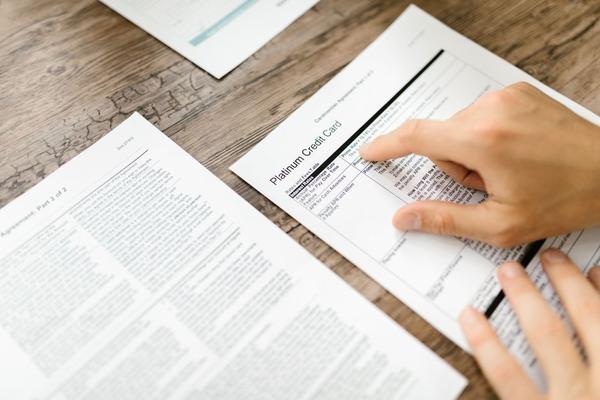
A contract can look straightforward until something goes wrong. A retailer refuses a refund because of a notice at the till, a subscription provider demands months of fees after cancellation, or a service company increases its price halfway through the agreement. Signing up does not necessarily mean every condition is legally enforceable.
UK law protects consumers against unfair contract terms, including some conditions hidden in standard terms and notices. Understanding those protections helps you distinguish an inconvenient but legitimate clause from one a business may have no right to enforce.
What makes a consumer contract term unfair?
Part 2 of the Consumer Rights Act 2015 applies broadly to agreements between traders and consumers, covering purchases, subscriptions, digital products and services. Section 62 says a term is unfair if, contrary to the requirement of good faith, it creates a significant imbalance in the parties’ rights and obligations to the consumer’s detriment.
Put simply, ask whether the business has given itself excessive power or shifted an unreasonable risk onto you. Fairness depends on the whole agreement, what is being supplied and the circumstances when the term was agreed. A clause is not automatically unlawful merely because it is inconvenient.
Unfair contract clauses worth checking
Excessive cancellation charges
A company may reasonably recover certain losses when a customer breaches a contract, but a cancellation charge that is disproportionately high can be unfair. For example, retaining every instalment of an advance payment regardless of the work completed may deserve scrutiny. The label ‘non-refundable’ does not, by itself, decide whether a charge is lawful.
One-sided rights to change or end an agreement
Be cautious if a provider can raise prices, substantially change the service or cancel without a valid reason while holding you to rigid obligations. Terms allowing changes are not necessarily unfair: the reasons, notice provided, available protections and ability to leave the contract all matter.
Attempts to remove basic consumer protections
A seller cannot simply use small print to take away statutory rights concerning faulty or misdescribed goods. Service providers also cannot contract out of certain legal duties, including the duty to perform services with reasonable care and skill. A blanket statement that the business accepts ‘no responsibility under any circumstances’ is a warning sign.
The law can also protect against unfair consumer notices, such as signs in car parks or shops. The wording need not appear in a signed document to be legally relevant.
Does small print make a term enforceable?
No. Under section 68 of the Consumer Rights Act, written consumer terms must be transparent: plain, intelligible and legible. Section 69 generally requires an interpretation favourable to the consumer where wording could have different meanings.
There is an important distinction for core terms. The fairness test generally cannot be used merely to argue that the clearly stated price is too high compared with what you receive, or to challenge the main subject matter. But this limited protection applies only where the relevant core term is transparent and prominent. Being technically visible somewhere in lengthy conditions is not necessarily enough.
Even a clearly printed clause can be unfair for other reasons. Transparency helps customers understand a deal; it is not a free pass for an unbalanced deal. These distinctions are particularly useful when reviewing unfair terms in UK consumer contracts.
A practical example: leaving a gym membership
Imagine a gym advertises a £30 monthly membership and says you can ‘manage your plan online’. After signing up, you discover the contract requires six months’ remaining payments if you leave early, even though the gym can close your branch on short notice.
First, establish whether the membership genuinely had a minimum term and whether that commitment was made clear before purchase. Next, compare the cancellation charge with the business’s likely losses and any savings it makes by no longer serving you. Finally, examine whether the gym has similarly balanced responsibilities if it changes or ends the service.
The charge is not automatically void; its fairness depends on the facts. Save the advertisement, booking screens, terms and the gym’s written explanation. Those details are far more useful in a dispute than simply asserting that every early-exit fee is illegal.
What happens if a term is unfair?
Under section 62, an unfair term is not binding on the consumer. The rest of the contract can usually continue if it remains capable of operating without that term. This matters when you want a refund of an unfair fee rather than cancellation of an otherwise useful service.
Businesses may disagree with your assessment, and only a court can conclusively determine fairness in an individual dispute. However, the Competition and Markets Authority and other enforcers can challenge unfair wording and take enforcement action. The CMA updated its guidance on unfair contract terms in July 2026.
How to challenge an unfair term
Identify the precise clause
Find the version of the terms that applied when you agreed. Highlight the wording and explain the actual harm it causes. Check correspondence and screenshots for promises that conflict with the written conditions.
Complain clearly and request a remedy
Write to the trader rather than relying on a telephone conversation. State that you believe the clause may be unfair under section 62 of the Consumer Rights Act 2015, explain why the balance of obligations is unreasonable and request a specific outcome, such as withdrawal of a charge or repayment.
Ask for a written response by a reasonable date and retain your evidence. If payment is disputed, do not ignore debt letters or court papers. Get advice promptly, particularly where the amount is substantial.
Escalate the dispute when needed
Citizens Advice can help explain consumer options in England and Wales; Scotland has consumer advice services, and Northern Ireland has Consumerline. Depending on the industry, an ombudsman or alternative dispute resolution scheme may help. Reporting a pattern of unfair terms can assist enforcement, although regulators do not necessarily resolve individual refund claims.
Contract fairness is separate from other rights. For instance, some distance purchases have a statutory cooling-off period, subject to exceptions. You can explore consumer cancellation rights and your rights when services go wrong alongside any challenge to the contract wording.
Frequently asked questions
Is a contract binding if I clicked ‘I agree’?
Agreement usually matters, but clicking a box does not make an unfair term binding. Statutory protections still apply to consumer contracts.
Are all non-refundable deposits unfair?
No. The amount, purpose and circumstances matter. A term allowing a business to retain a disproportionate sum without justification may be unfair.
Can a business change its prices during a contract?
Sometimes, if the contract and applicable law allow it. An unrestricted power to increase prices without appropriate safeguards may raise fairness concerns.
Does this law cover business-to-business contracts?
These particular consumer protections generally apply when an individual acts outside their trade, business, craft or profession. Different rules may apply to business contracts.
The bottom line
Unfair contract terms and consumer rights are about balance, not getting out of every unwanted agreement. Look closely at cancellation penalties, unilateral changes, liability exclusions and hidden obligations. A carefully evidenced, clause-specific challenge gives you a stronger position than accepting every demand or refusing payment without explanation.