
Humanitarian protection is a form of protection status in the UK for people who do not meet the legal test for refugee status but who would face a real risk of serious harm if returned to their country of origin.
A protection claim is assessed in stages. The Home Office first considers whether the person qualifies as a refugee under the Refugee Convention. If refugee status is not available, humanitarian protection must then be considered where the relevant test may be met.
Who can qualify for humanitarian protection?
Under Part 11 of the Immigration Rules, humanitarian protection may be granted where a person is in the UK or at a UK port of entry, does not qualify as a refugee, and there are substantial grounds for believing that return to their country of origin would expose them to a real risk of serious harm. They must also be unable, or because of that risk unwilling, to obtain the protection of that country.
Serious harm includes the death penalty or execution, unlawful killing, torture or inhuman or degrading treatment or punishment, and a serious and individual threat to a civilian’s life or person arising from indiscriminate violence during an international or internal armed conflict.
The assessment is individual. A dangerous situation in a country does not automatically mean every national qualifies. Decision-makers consider personal circumstances, country evidence, credibility, state protection and, where relevant, whether internal relocation would remove the risk.
A practical example
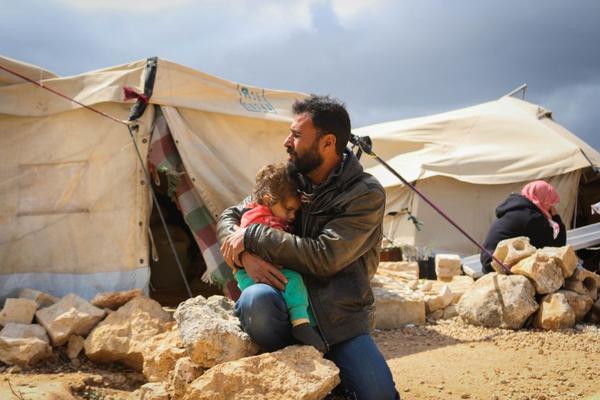
Consider a civilian from an area affected by intense armed conflict. Their evidence may show a real and individual risk from indiscriminate violence if they return, but the danger may not be connected to race, religion, nationality, political opinion or membership of a particular social group. If the Refugee Convention test is not met, humanitarian protection may still need to be considered. The result depends on the evidence and current conditions.
How is humanitarian protection different from refugee status?
Refugee status in the UK is generally based on a well-founded fear of persecution for a Refugee Convention reason. Humanitarian protection covers certain serious risks that can fall outside that framework. The same facts can raise both issues, which is why refugee status is considered first.
Humanitarian protection is not a general remedy for hardship, poverty or insecurity. The risk must fall within the forms of serious harm recognised by the Immigration Rules. Other circumstances may engage human rights law or another form of permission, but those are legally distinct.
Exclusion rules also apply. For example, serious reasons for considering that a person committed certain international crimes or serious non-political crimes can prevent a grant of humanitarian protection.
How long does humanitarian protection last?
The date of the asylum claim is now crucial. For claims or qualifying further submissions made on or after 2 March 2026, a person granted humanitarian protection will normally receive at least 30 months’ permission to stay on a protection route. Certain unaccompanied asylum-seeking children are normally granted five years, and exceptional circumstances can justify a longer period.
For claims made before 2 March 2026, different rules apply. People granted humanitarian protection from claims made on or before 1 March 2026 are generally covered by the previous framework, under which protection-route permission is normally granted for at least five years. Older guidance describing a universal five-year grant is therefore outdated for new claims.
Before limited permission expires, a person who still needs protection generally needs to apply for further permission. The Home Office can conduct a safe-return review to consider whether protection remains necessary.
What rights come with humanitarian protection?
People granted humanitarian protection and permission to stay on a protection route can work in the UK without the employment restrictions that apply to many visa categories. Home Office guidance also provides recourse to public funds and the opportunity to apply for a refugee integration loan.
Travel requires care. Depending on the circumstances, a person with humanitarian protection may be able to apply for a Home Office certificate of travel if they cannot obtain or safely use a national passport. Travel to the country from which protection was sought can affect protection status and should be checked before any journey.
Family arrangements have also changed. The dedicated refugee family reunion route is currently closed to new partner and child applications submitted after 3pm on 4 September 2025. Family members may instead need to consider the family visa rules or another available route.
Can a humanitarian protection decision be challenged?
A refusal of a protection claim can carry a right of appeal to the First-tier Tribunal, although certification and the particular decision can affect the route available. A person granted humanitarian protection but refused refugee status may also have an appeal right on the basis that refugee status should have been granted. Appeal deadlines are strict, so the decision letter should be checked promptly.
If an appeal is no longer pending and genuinely new evidence later becomes available, further submissions may sometimes amount to a fresh claim if they are significantly different from material already considered and create a realistic prospect of success.
Preparing a protection claim carefully
A protection claim UK decision turns heavily on evidence. Applicants should clearly explain what they fear, who presents the risk, why effective state protection is unavailable, and why relocation elsewhere in the country would not remove the danger where relevant. Identity documents, medical evidence, witness material and reliable country information can all matter.
For related reading, see our guide to the UK asylum process, our explanation of refugee status in the UK, and our guide to appealing an immigration decision.
Frequently asked questions
Can I apply directly for humanitarian protection instead of asylum?
Humanitarian protection is not normally a separate alternative to an asylum claim. Under the Immigration Rules, a claim for humanitarian protection is considered through the protection process, with refugee status assessed first.
Is humanitarian protection permanent?
No. It is protection status accompanied by permission to stay for a defined period. The usual initial period depends on when the claim was made and the person’s circumstances. Further permission or settlement may be possible if the relevant requirements are met.
Can someone with humanitarian protection work and claim benefits?
Yes. Current protection-route guidance provides unrestricted access to the labour market and recourse to public funds, although each benefit has its own eligibility rules.
Does humanitarian protection automatically allow family members to join the UK?
No. The dedicated family reunion route is presently closed to new applications, so partners or children outside the UK may need to qualify under family visa rules or another route.
Conclusion
Humanitarian protection fills an important gap in UK protection law: it protects people who do not qualify for refugee status but would nevertheless face a real risk of serious harm on return. Eligibility depends on the individual evidence and legal test, while the length of permission now differs according to the date of the claim. Because the rules can change, anyone relying on humanitarian protection should check current Home Office guidance and seek regulated legal advice for case-specific decisions.