
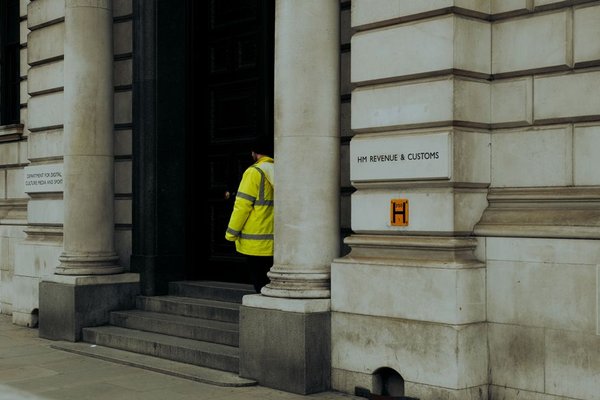
If you or a family member has just been arrested, one of the most useful things to know is that you do not have to face police questioning alone. At a police station in England or Wales, you can ask for free, independent legal advice, including the duty solicitor. You do not need to prove that you are on a low income, and asking for a solicitor does not suggest guilt. The duty solicitor’s job is to protect your legal rights, explain what is happening and advise you before and during questioning.
What does a duty solicitor do at a police station?
A duty solicitor is a criminal defence lawyer available through the legal aid duty scheme. In England and Wales, duty solicitors are independent of the police and can help people at a police station. The service exists so that someone who does not already have a solicitor can still obtain prompt legal help.
The solicitor can speak with you privately, explain the allegation, advise you about questioning and attend a police interview where appropriate. They can also challenge improper questioning and help protect your custody rights.
This police station legal advice can matter even when an allegation appears minor. What you say in interview may later be used as evidence, so decisions about answering questions should be made with the facts of the case in mind.
Is a duty solicitor free?
Yes. If you are arrested and held at a police station in England or Wales, legal advice at the police station is free. GOV.UK guidance says you may receive free advice by telephone, from the police station duty solicitor or from your own legal adviser if they undertake the relevant legal aid work.
This is separate from legal aid for a later court case. If you are charged and need ongoing representation, different eligibility rules may apply.
How do you get a duty solicitor?
Tell the custody officer that you want legal advice. You can ask for the duty solicitor, or ask the police to contact a particular solicitor you already know. In England and Wales, the police normally contact the Defence Solicitor Call Centre, which arranges the appropriate advice.
If you do not know a criminal defence solicitor, you do not need to search for one while in custody. Simply ask for the duty solicitor. If you initially refuse legal advice and later change your mind, you can ask again.
For family members, a useful step is to avoid coaching the detained person about what to say. Encourage them to ask the custody officer for a solicitor so they can receive confidential advice based on the actual allegation.
How quickly can you get one?
Duty solicitors are available 24 hours a day, but that does not mean a solicitor will always arrive in person immediately. Depending on the allegation and circumstances, advice may first be provided by telephone. For some less serious matters, free advice may be limited to telephone advice unless an exception applies.
Once legal advice has been requested, police will usually wait until the person has had the opportunity to receive it before questioning them. There are limited exceptions in serious cases where access to legal advice can be delayed. GOV.UK states that, in qualifying circumstances, the maximum delay can be 36 hours after arrival at the police station, or 48 hours in certain terrorism cases.
Ask for legal advice early rather than waiting until an interview is about to start.
Can you choose your own solicitor instead?
Yes. Choosing a solicitor in the UK is not limited to accepting whoever is on duty. At an England or Wales police station, you can ask the police to contact a solicitor you already use or a criminal defence firm you trust. If that solicitor does appropriate legal aid work, police station advice may still be free.
If your chosen solicitor cannot be contacted, you can ask for the duty solicitor instead. You can also pay privately if you prefer. The police should not recommend a particular firm.
What happens during the solicitor consultation?
Your consultation should be private. The solicitor may ask what happened, what the police have said and whether you understand the allegation. They will then advise you on the interview.
Imagine someone is arrested after a dispute outside a pub and believes CCTV will show they acted in self-defence. A solicitor can help them understand what information the police have, whether and how to raise that account, and what details should be preserved. That is more useful than relying on general advice from friends or family.
If the solicitor attends the interview, they are there to protect and advance the client’s legal rights. They can intervene when necessary, seek clarification or advise the client during the process.
Does the same duty solicitor system apply across the whole UK?
The phrase “duty solicitor UK” is commonly searched, but the legal systems are not identical across the country. The scheme described above is the England and Wales system administered through the Legal Aid Agency and related police-station arrangements.
Scotland has its own criminal justice and legal aid system, although official Scottish guidance also confirms free legal advice is available in police custody. Northern Ireland has separate arrangements. If the arrest took place outside England or Wales, use guidance for that jurisdiction rather than assuming every procedural detail is the same.
Useful legal-rights topics to read next
Related topics worth reading include rights when arrested by police, how a police interview works, and criminal legal aid eligibility.
Frequently asked questions
Do I have to accept the duty solicitor?
No. You can ask for a solicitor you already know, request the duty solicitor, or choose to pay privately. If you turn down legal advice, you can generally change your mind later while at the police station.
Will asking for a solicitor make me look guilty?
No. Official police-station rights guidance explains that asking to speak to a solicitor does not mean you have done anything wrong. It is a legal right designed to help you understand the process and make informed decisions.
Can the duty solicitor sit in during the police interview?
Yes, where in-person representation applies, a solicitor can be present during questioning. In some less serious cases, initial free advice may be provided by telephone instead.
Can a family member arrange the duty solicitor?
The person in custody should tell the custody officer that they want legal advice. A family member can encourage them to ask for a solicitor, but the police-station process for arranging free advice is handled through custody staff and the relevant legal advice service.
Getting legal help early can make a real difference
If you are detained or questioned at a police station, asking for legal advice early is usually sensible. In England and Wales, a free duty solicitor is independent of the police and available through the police-station legal advice system at any time of day or night. You can also ask for your own solicitor, and you can change your mind if you initially refuse advice. The key is to make the request clearly to the custody officer before answering questions about the alleged offence.